The Remote Communication Wars
Why communication software will focus on connection, the resurgence of audio, and a massive market opportunity in the enterprise.

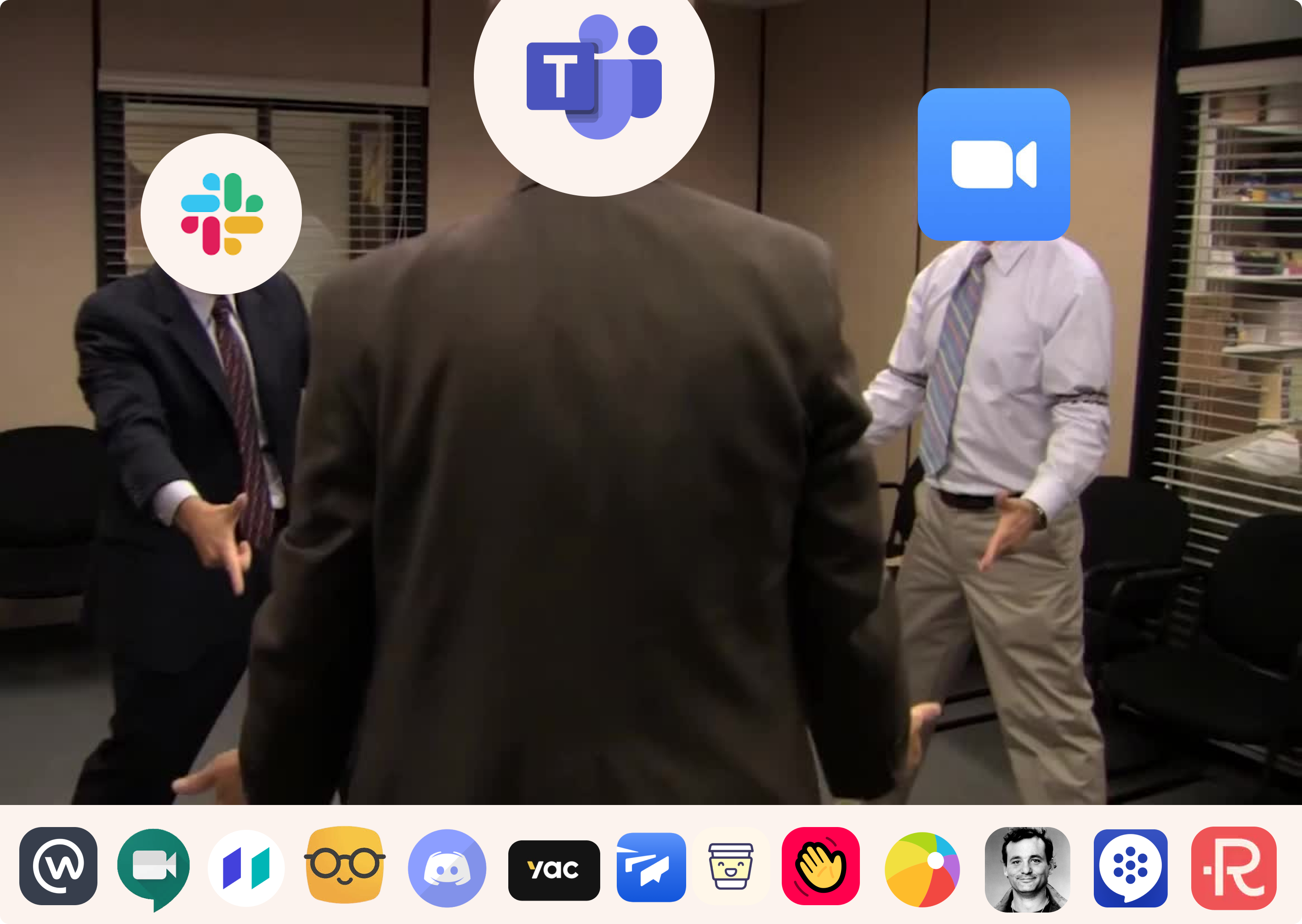
Virtual communication has become a commodity. There are so many available options, both business and consumer — it’s hard to keep track. But even with all of the innovation over the last 20 years, I still can’t help but feel that the underlying problems for users have not been solved. Or… at least not well. Virtual interactions still are not able to mirror the way we connect in a physical space. This technology gap has been on full display the last few months.
Lets consider what life was like before and during COVID-19…
Pre-COVID: video-conferencing, voice calls, and messaging were strong add-ons to the ways we connected with people around us. These mediums helped replace the portion of time when it wasn’t feasible to meet face to face and added another touchpoint to our relationships.
COVID: For the first time in history, we have become completely isolated from one another physically, yet remain fully connected digitally. The same tools that enhanced our everyday interactions have now become the primary form of connecting with each other.
The Rush to Video
What happens when you have a large market opportunity, and tools that weren’t built to support our current needs during a global crisis? … Complete chaos.
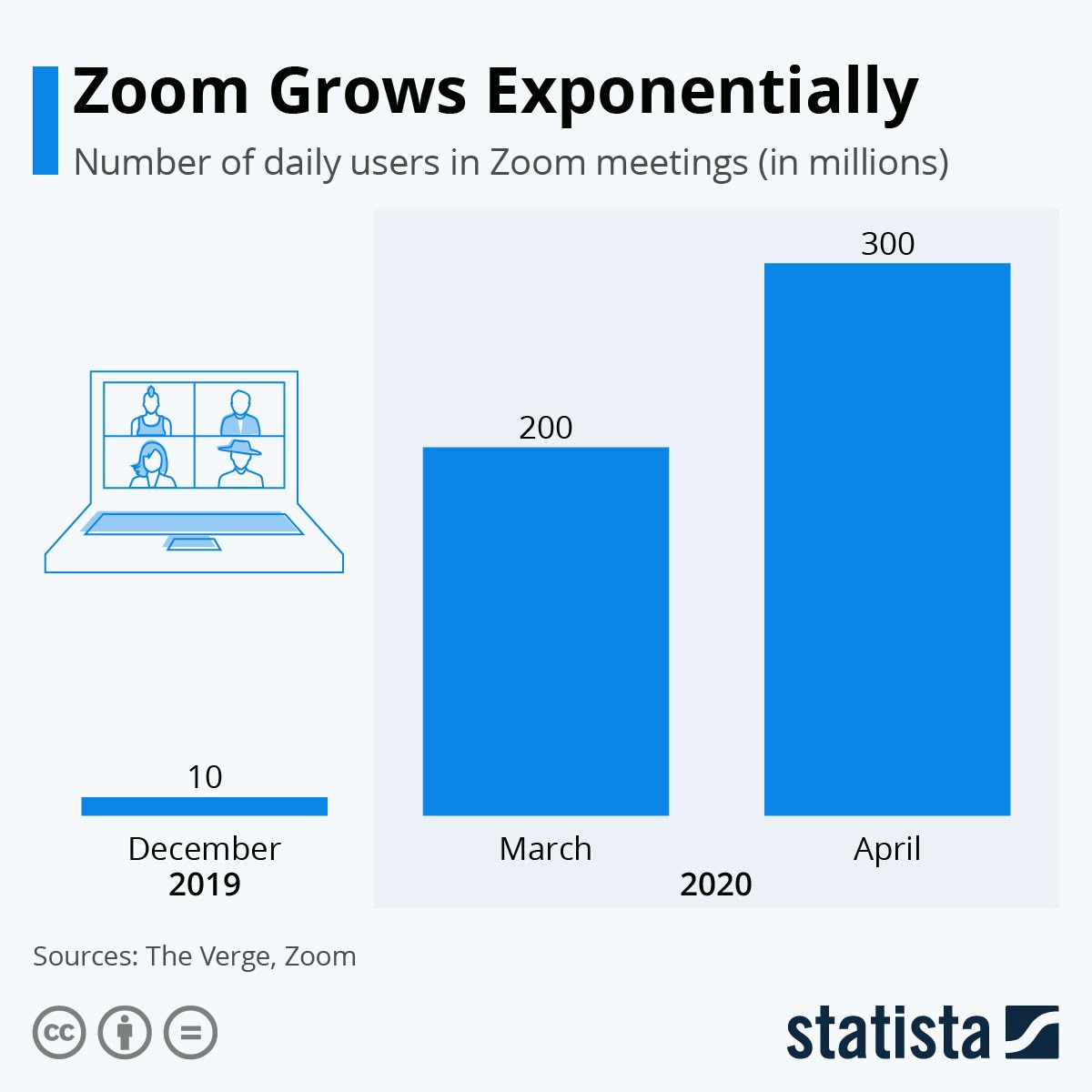
Humans are social animals. When our physical connection is taken away from us, we seek interaction through other outlets. The world deemed video-calls the best proxy, and the space took off like a rocket 🚀. Zoom was an early virtual jackpot winner with growth numbers previously thought unattainable. They recently re-forecasted their FY2021 yearly revenue to $1.78 - $1.8 Billion (up from $622 Million in FY2020) 🤯.
Zoom wasn’t alone in producing insane growth. Applications such as Houseparty, Marco Polo, and Skype saw massive user download increases. Houseparty became the No. 1 social app in 82 countries, including the U.S, and saw 50+ Million downloads over a month-long period.
Enter Facebook, Google, and Microsoft…
As they say… In this world, nothing is said to be certain except for: Death, Taxes, and Facebook, Google, and Microsoft making cheap copies of hot software.

Check out a couple headlines following video-conferencing’s meteoric rise:
Facebook is adding 50-person video chatrooms to battle Zoom's popularity and help people interact during lockdown
Google Meet video conferencing is now free for anybody
Like Zoom, Microsoft Teams will let you see 49 people at a time this fall
The strategy is simple: see hot tech, and offer it for free or bundled alongside current products. The combination of the largest technology companies in the world competing with best in breed solutions, sets the stage for an awesome battle for years to come.
So… Problem solved, right?
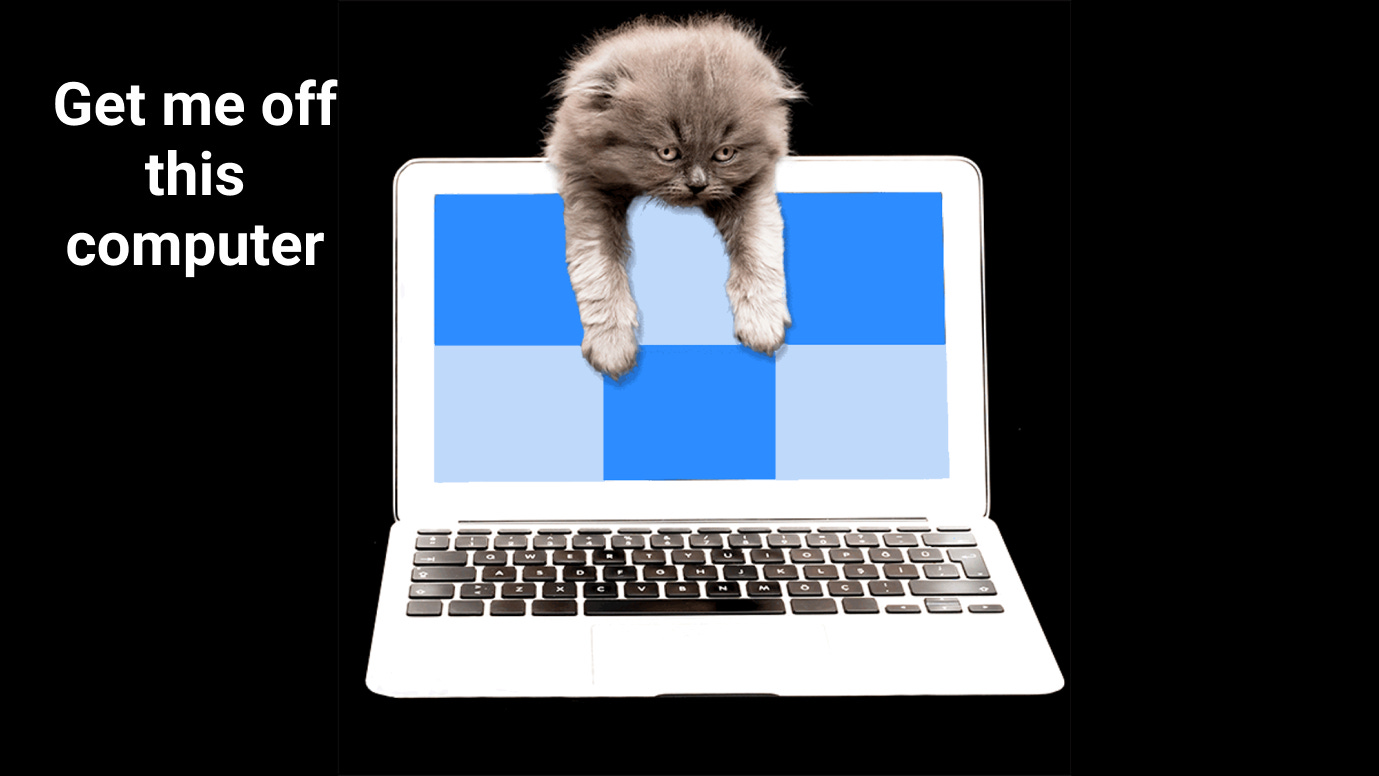
Wrong. Companies are seeing massive scale, with all the big players fighting for market share, yet users are still unsatisfied for two simple reasons: Fatigue and Isolation. Those that have been working from home the past few months have quickly realized that digital interactions cannot replace the physical presence of another human. In fact, while our digital tools are really efficient at helping us get things done, they are really bad at making you feel connected to the people around you. Most people that I know are currently struggling with both isolation and digital fatigue in some shape or form.
Anyone who has had back to back to back video calls for an extended period of time knows exactly how emotionally draining this process is. The pressure to remain focused and sustain eye contact for long periods of time is totally brutal. Let alone the fact that we just weren’t created to stare at a live picture of ourselves all day.
Individual contributors feel fatigue and lack of belonging in other ways. When your life becomes churning out tickets or closing deals with limited interaction, work starts to feel isolating, QUICK.
Isolation in the workplace is costly. With a lack of social support and feeling of belonging, people start to feel mentally sluggish. Creativity and productivity become impaired. Decision making becomes slower and less precise. Performance starts to decline, only further building on the mental stress. Employees end up caught in a loneliness loop that continues to feed itself.
Simply put..
Connection beyond Productivity
The products that will win out in the long run will be products that allow us to connect, as humans, remotely. Productivity and efficiency increases are great for everyone’s employers — But as employees, we are beginning to demand social and connectivity tools as well. No longer is the disconnected age of merely punching in for your 9-5. Enter the age of the empowered worker — and we want to work wherever we want, with people we feel close to.
The Resurgence of Audio
Arguably the greatest development in communication of all time was the telephone. True communication requires back and forth speaking… listening… and then responses informed by what has been heard. The telephone revolutionized true communication at scale. For the first time, real-time long distance relationships were made possible. People could maintain close bonds with their families and communities, no matter where they were. New relationships were formed, and were able to be nourished from afar.
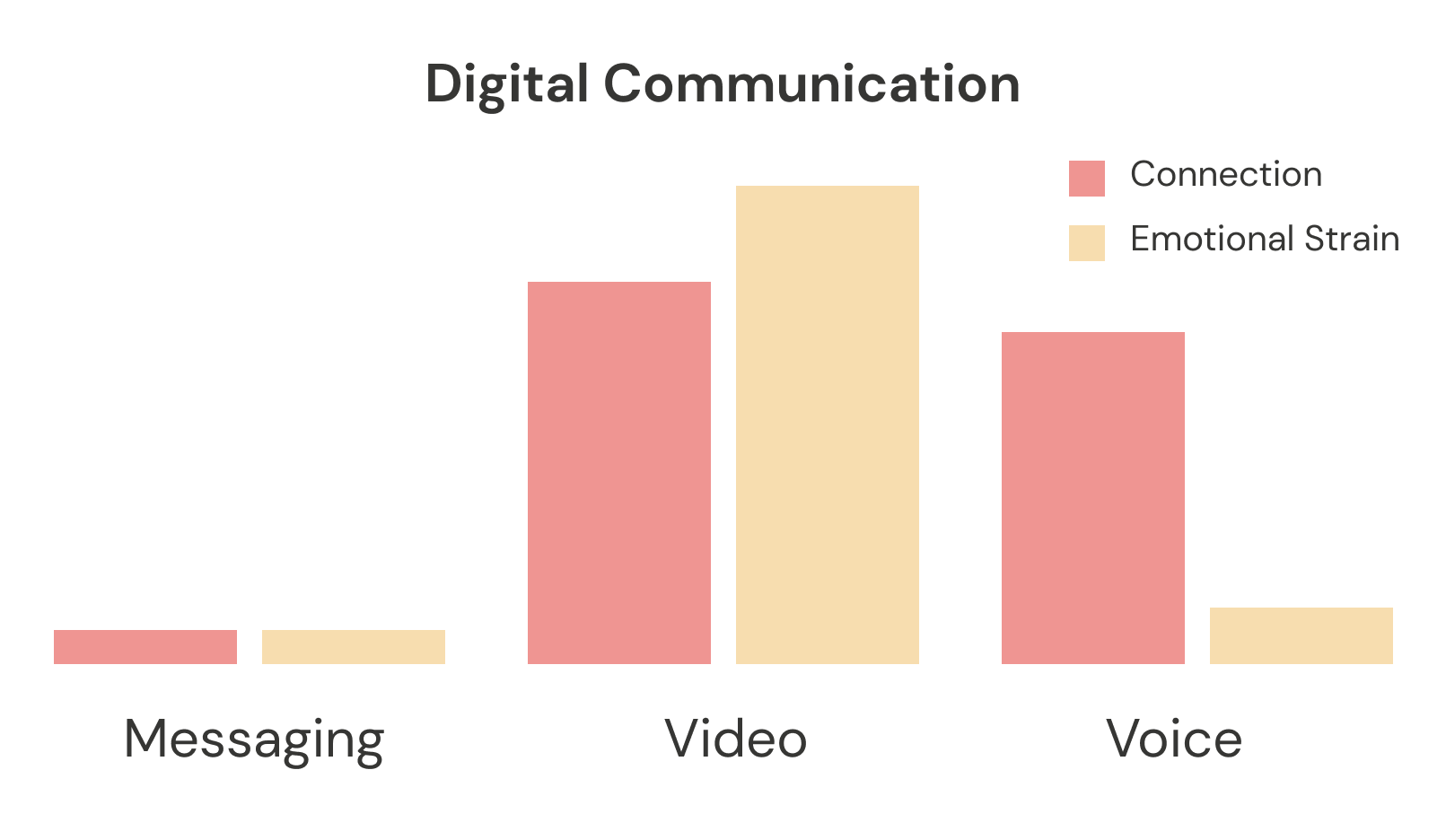
When thinking of the primary forms of digital communication, three completely dominate the space: Video, Messaging, and Voice. They all have their strengths and weaknesses — but if I had to invest in one right now to take over communication for remote teams, it would be audio-only software. Voice is making a comeback in a huge way, and here’s why…
*Graph created by me. Not completely accurate, but you get the point.
It is easy to send quick instant messages, but hard to connect personally through them. Conversations over video are personal, but become extremely draining because the rules of communication that are dictated by them are not natural to humans. Real-time voice is far and away the best medium for virtual connection because it allows for natural personal interaction to take place, with the least emotional strain on the participants.
We are starting to see new, innovative voice software pop up everywhere. Consumer audio-only social applications like Clubhouse, Roadtrip.fm, and Chalk App have drawn a ton of attention recently. If you haven’t heard of them, I encourage you to check them out in more depth. Basically, their functionality is as follows: They each have hosted audio only rooms, some based on a specific topic, others as space to hang out and chat. You join these rooms as either a host, speaker, or listener. Hosts control the room and act as conversation guides, bringing in new speakers as listeners join. I have been lucky enough to beta test and use some of these apps, and I will tell you right now, they are the most fun I have had using social software in a long time.
Audio-only feels very natural. It is in general a much more casual medium to talk to someone. If you’ve never met before, you don’t feel the awkwardness you do when staring at someone face-to-face over video. If you want to get up and move around, you aren’t bound to your desk for hours on end. The freedoms that come with voice communication have thrust the age old medium back into the spotlight.
The Enterprise Opportunity
Companies are making it an organization-wide strategic priority to strengthen social connections amongst their employees. This is because isolation and fatigue are beginning to have deep and long lasting effects on employee engagement and retention.
With the amount of virtual success that audio-only apps are having on social connection for consumers, it’s not a stretch to believe that they could have a similar effect within the enterprise.
We miss the thrill of surprise or the joy of spontaneous conversation that starts up in a physical space. By reducing the barrier to conversation, a remote first audio-only application will have a real tangible impact on the way we connect and socialize with our teammates.
In your office, that could be having a random watercooler chat with a coworker, or commenting aloud about something funny you found on the internet. At a company lunch, it could be wandering up to chat with group of people because you overhear something interesting. Eventually, this will take place in the form of audio-only rooms and one-click voice chat.
Although digital communication has been around for a long time, there is still a great deal of innovation that needs to be realized before users will be content. We are entering into a new age of remote communication, and the companies that take advantage will become some of the largest you and I will ever know.
Thoughts? Questions? Feedback? Please reach out, I’d love to chat! You can find me at twitter or nscavone92@gmail.com.